
From remote patient monitoring to AI-assisted diagnostics, artificial intelligence is revolutionizing healthcare, but not in the way you might think. Instead of relying solely on cloud-based supercomputers, AI is moving to the edge, processing data closer to where it’s generated. This shift is critical, especially in life-or-death scenarios where milliseconds matter.
Consider this: AI-driven diagnostics can reduce errors by up to 85%, but cloud-based processing introduces delays that hospitals can’t afford, especially in life-or-death situations. Edge AI eliminates this bottleneck by enabling real-time decision-making in medical imaging, wearable health devices, and smart ICUs. Whether it’s detecting early signs of sepsis or optimizing robotic-assisted surgeries, AI at the edge is quietly reshaping modern healthcare.
In this blog post, we’ll explore why edge AI is the unsung hero of healthcare. We will explore the challenges it addresses and how it’s paving the way for a smarter, faster, and more efficient medical ecosystem.
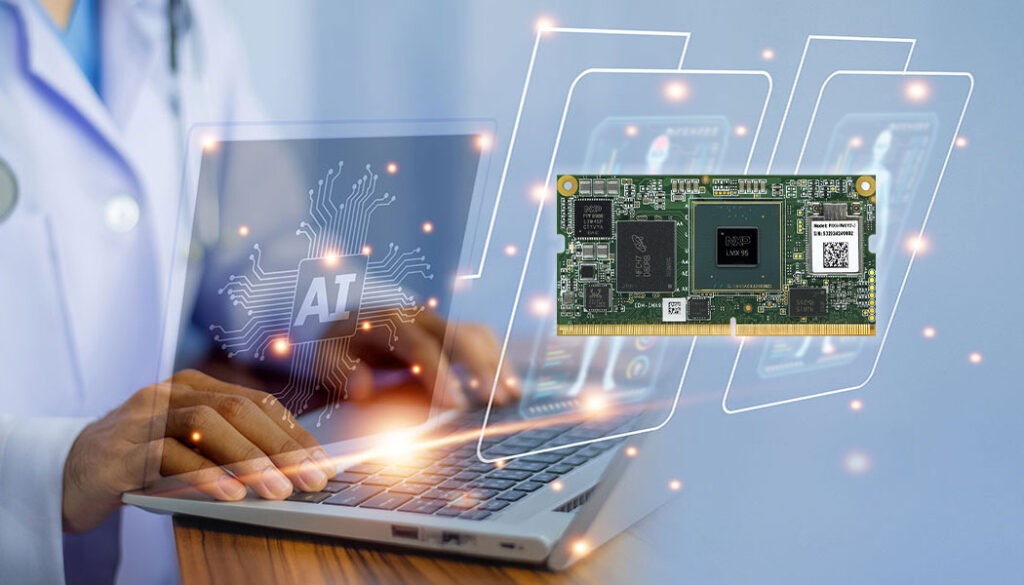
Understanding Edge AI in Healthcare
Edge AI refers to artificial intelligence that processes data locally on a device rather than relying on remote cloud servers. Unlike cloud-based AI, which requires constant internet connectivity and data transmission, edge AI performs computations directly on medical devices, imaging systems, or local servers, eliminating delays caused by network latency.
Key Benefits of Edge AI in Healthcare
- Low Latency: Immediate processing enables real-time diagnostics, crucial for emergencies like stroke detection or ICU monitoring. Faster response times can mean the difference between life and death in critical care scenarios.
- Reduced Bandwidth Dependency: Ideal for hospitals with limited network capacity or remote facilities with unstable internet. Medical imaging and AI-driven diagnostics can function seamlessly without overloading hospital networks.
- Enhanced Data Privacy & Security: Patient data stays on local devices, minimizing risks and ensuring compliance with HIPAA and GDPR. This approach reduces exposure to cyber threats that often target centralized cloud storage.
- Reliable Performance: No reliance on cloud connectivity means AI systems remain functional even during network disruptions. Healthcare professionals can trust that essential AI-driven tools will continue operating without interruptions.
- Cost Efficiency: Reduces the need for expensive cloud computing resources and continuous data transmission. Hospitals can allocate their budgets more effectively, focusing on patient care rather than costly IT infrastructure.
Key Applications of Edge AI in Healthcare
Edge AI is revolutionizing healthcare by enabling real-time data processing and decision-making closer to the source. Below are some of the most impactful applications of Edge AI in healthcare.
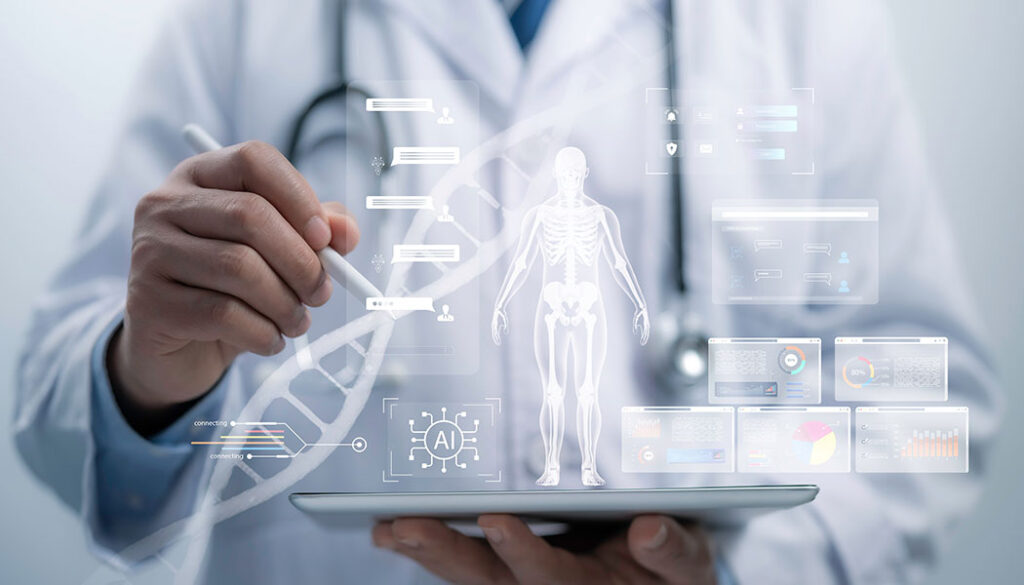
AI-Assisted Diagnostics
Medical imaging is one of the key areas benefiting from Edge AI. Traditionally, scans such as MRIs, CTs, and X-rays are sent to centralized cloud servers for processing, often introducing delays in diagnosis. With Edge AI, images are analyzed directly on-site through AI-powered imaging systems, enabling radiologists to detect conditions like cancer, pneumonia, and fractures in real time.
This rapid processing not only enhances diagnostic accuracy but also significantly reduces human error, ensuring that treatment can begin faster. By eliminating cloud dependency, Edge AI is reshaping the landscape of medical diagnostics, making it quicker and more efficient.
Remote Patient Monitoring and Wearable Health Devices
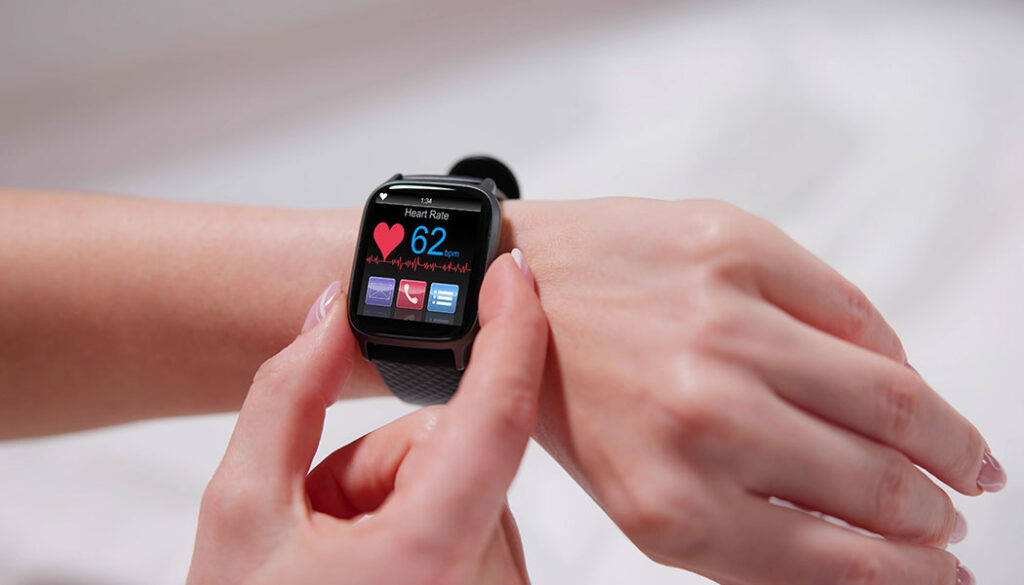
Edge AI plays a crucial role in monitoring patients beyond hospital walls. Wearable health devices, such as smartwatches, ECG monitors, and glucose sensors, leverage AI to analyze health data continuously. These devices detect irregularities in heart rate, oxygen levels, and glucose fluctuations in real time.
For example, Edge AI-enabled smartwatches can identify atrial fibrillation (a major cause of stroke) and alert users before a serious event occurs. This proactive approach is transforming chronic disease management and reducing unnecessary hospital visits.
Further reading: How Patient Monitoring Cameras Elevate Medical Care
Smart ICUs and Emergency Care
In critical care settings, every second counts. Edge AI enhances intensive care units (ICUs) by continuously analyzing patient vitals to detect early signs of deterioration. AI-powered bedside monitors process vast amounts of data locally.
They can help identify patterns that could indicate sepsis, respiratory failure, or cardiac arrest before they become life-threatening. In emergency rooms, AI-powered triage systems analyze patient symptoms and prioritize care based on urgency, reducing wait times and improving outcomes.
Robotic-Assisted Surgery
Surgical robots equipped with Edge AI improve precision, stability, and control for surgeons performing complex procedures. Unlike traditional robotic systems that rely on cloud computing, Edge AI enables real-time processing of haptic feedback, 3D imaging, and movement adjustments directly within the operating room.
This ensures ultra-low latency, reducing the risk of complications. AI-assisted robotic surgeries are particularly valuable in minimally invasive procedures, where precision is critical.
AI-Driven Drug Development and Personalized Medicine
Pharmaceutical companies are leveraging Edge AI to accelerate drug discovery and personalized treatment plans. Traditional drug development takes years due to the sheer volume of data that needs to be processed.
With Edge AI, researchers can analyze molecular interactions and patient-specific data faster, identifying potential treatments in a fraction of the time. Personalized medicine also benefits from Edge AI, as it enables real-time genetic analysis and tailored treatment recommendations based on an individual’s unique biomarkers.
AI in Elderly and Assisted-Living Care
Edge AI is improving the quality of life for the elderly by powering smart home monitoring systems and robotic caregivers. AI-enabled sensors can detect falls, irregular sleep patterns, and deviations in daily routines, alerting caregivers or family members. In assisted living facilities, Edge AI helps monitor medication adherence, cognitive decline, and chronic conditions, allowing for timely interventions.
Challenges and Ethical Considerations
While Edge AI brings immense benefits to healthcare, it also presents a unique set of challenges and ethical considerations that need careful attention.
Privacy Concerns and Data Security
Processing sensitive health data at the edge means that medical devices and AI systems must be safeguarded against potential cyber threats. Without proper security measures, vulnerabilities can expose patient data to breaches. Ensuring strong encryption, secure communication protocols, and regular system updates is critical in protecting patient privacy and complying with data security regulations.
Bias and Accuracy Limitations
AI models are only as good as the data they are trained on. If the training data is biased or unrepresentative, AI systems could produce inaccurate or unfair results, potentially leading to misdiagnoses or inequitable care. Ensuring diverse, representative datasets and regularly updating models is vital to minimizing biases and improving accuracy, ensuring that AI-driven healthcare systems are both trustworthy and fair.
Regulatory Compliance
Healthcare AI must adhere to stringent regulations like HIPAA and GDPR, which are designed to protect patient data and maintain confidentiality. These regulations require careful data handling and transparency, particularly in environments where AI systems are deployed at the edge. Striking a balance between innovative AI applications and regulatory compliance is essential for maintaining patient trust while fostering technological progress.
Future of Edge AI in Healthcare
The future of Edge AI in healthcare is bright, with advancements that promise to transform patient care and medical practices in profound ways.
IoT and Wearable Integration
Smart devices like smartwatches, fitness trackers, and biosensors are already providing valuable real-time health data. With AI integrated at the edge, these devices will evolve into powerful tools for continuous health monitoring and predictive analytics.
They will not only track vital signs such as heart rate and blood pressure but also provide early warnings for potential health issues, enabling proactive medical interventions. The integration of AI into wearable devices will give healthcare providers more accurate, real-time insights into their patients’ conditions, leading to more personalized care plans.
AI-Powered Robotics
AI-driven robotics will revolutionize the way surgeries, rehabilitation, and elderly care are delivered. Surgical robots, powered by real-time AI processing, will become more adaptive, assisting surgeons with precision during complex procedures.
In rehabilitation, AI-powered robotic systems will monitor patient progress and adjust therapy in real-time, enhancing recovery outcomes. In elderly care, robots will assist with daily tasks, medication reminders, and monitoring for critical changes in health. This will ensure greater independence and safety for aging populations.
5G and Next-Gen Connectivity
The rollout of 5G networks will be a game-changer for edge AI in healthcare. With faster, more reliable internet speeds, medical devices and AI systems will be able to transmit large amounts of data with minimal latency. This improved connectivity will enable seamless telemedicine experiences.
Doctors can conduct remote consultations, analyze medical images in real-time, and perform mobile diagnostics. The ability to quickly and reliably process large data sets on the edge will further expand the potential applications of AI in healthcare, creating a new era of connected, intelligent medical systems.
Wrapping Up
Edge AI is revolutionizing healthcare by providing faster, more accurate decision-making at the point of care. From real-time diagnostics to personalized treatments, its ability to process data locally ensures critical decisions are made without delay, improving patient outcomes.
However, the challenges of privacy, bias, and regulatory compliance remain, requiring ongoing attention and innovation. The future of healthcare is bright with advancements in wearable devices, AI-powered robotics, and the enhanced connectivity enabled by 5G. These innovations promise to make healthcare more efficient, accessible, and personalized.
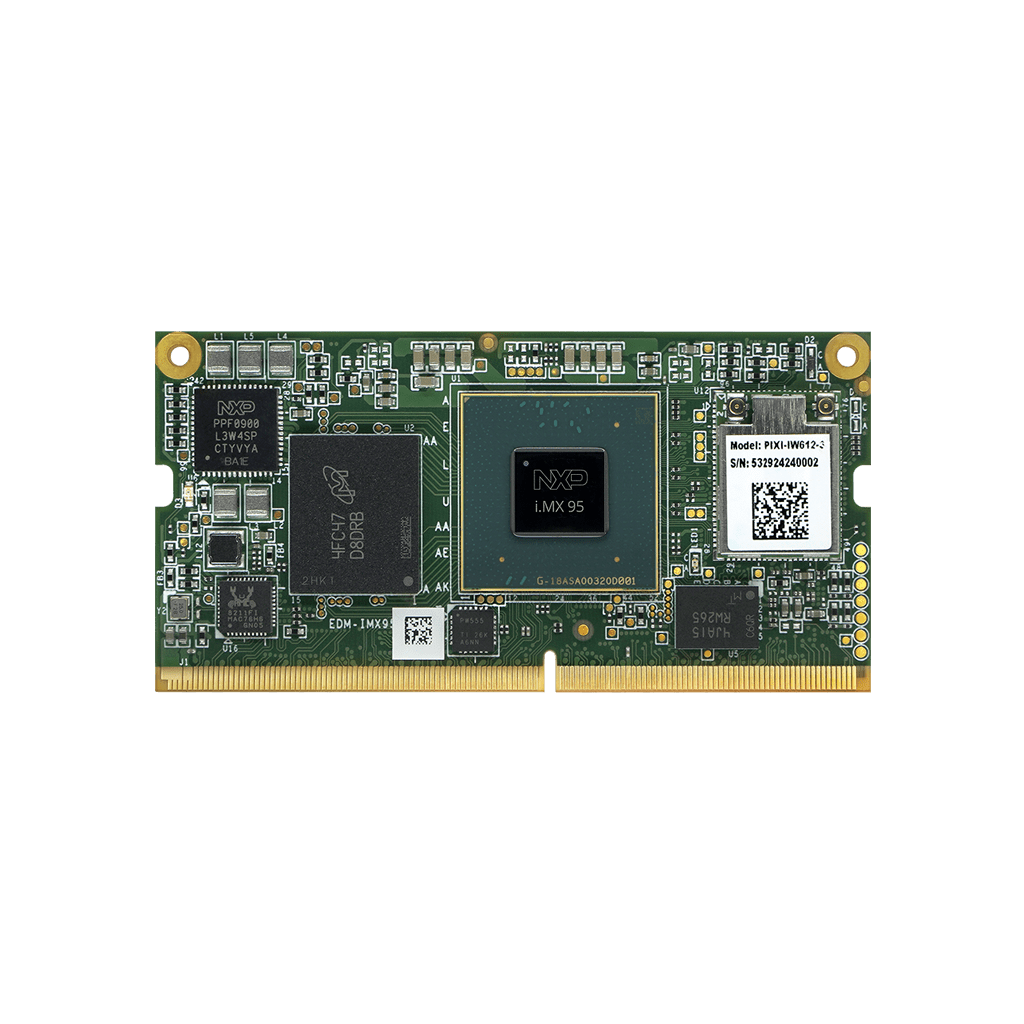
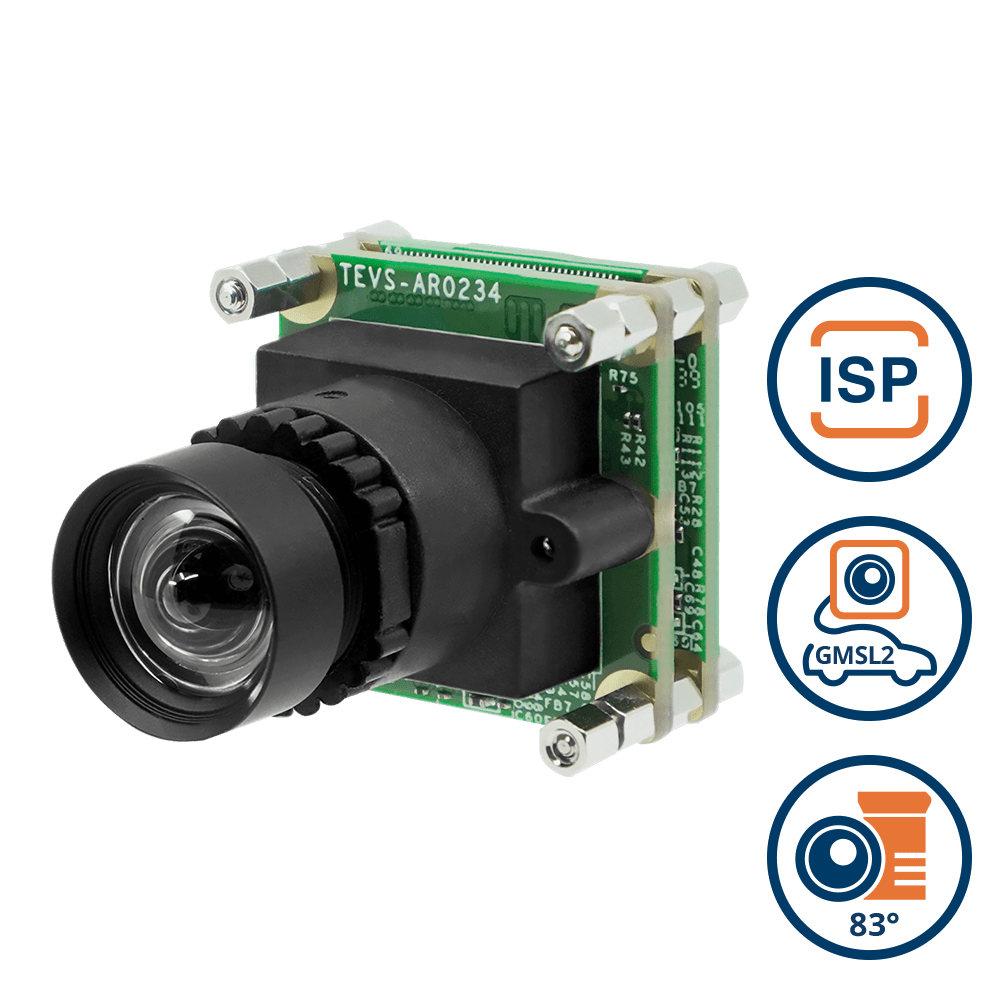
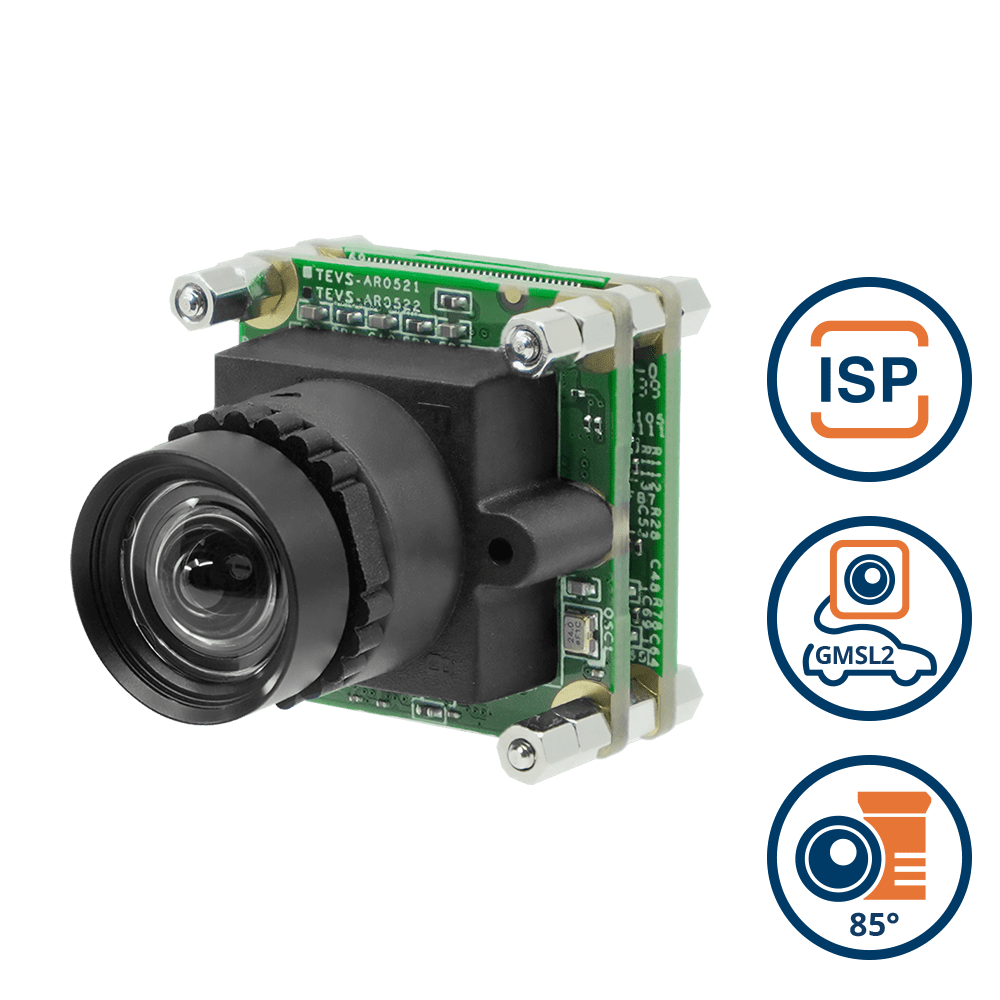
TechNexion is at the forefront of this transformation, offering cutting-edge embedded computing solutions and AI-ready platforms. Our powerful edge computing systems, including advanced GMSL2 cameras and System-on-Modules (SoMs), enable seamless integration into healthcare applications. With these technologies, TechNexion is helping shape the future of healthcare by empowering real-time, AI-driven decision-making for a healthier tomorrow.
To know more about how TechNexion can help drive the future of healthcare with edge AI, get in touch with our team today.
Related Products
Get a Quote
Fill out the details below and one of our representatives will contact you shortly.